바로가기메뉴


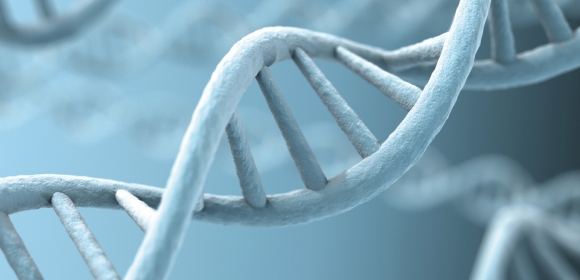
In the center of molecular biology is one species of molecules: DNA.
DNA molecules are amplified and introduced into organisms by transformation or transfection, separated, stained, examined under the microscope, manipulated, sequenced and so on.
For all these techniques the initial step is to isolate DNA from the origin of interest.
This page provides you an overview of the different methods for nucleic acid isolation and offers a number of must-have reagents to obtain pure DNA and/or RNA from various sources.

Introduction
What does it mean technically when we talk about DNA extraction, isolation or purification - terms often used synonymously for getting preferably pure DNA from a sample? What are the mechanisms behind? How is it possible to separate distinct species of DNA?
On this page we focus on the isolation of the two DNA species that are mainly isolated in molecular biology labs - genomic DNA and bacterial plasmids. We give an overview about established DNA isolation techniques, their chemical background and we discuss their respective advantages and limitations.

Regarding the basic procedure, DNA extraction is simple and can be done using domestic products. Basically, all you require is a rich source of DNA, salt, water, dishwashing detergent, a coffee filter, high-proof alcohol and a stick to spool the precipitated DNA salt out of solution. For higher demands (regarding quantity and quality), of course, the method requires further refinement.
검색
전체선택
Thumbnail Catalog Description Packaging Specification
A5187 DNA Phage Lambda 1 mg Concentration: 0.2 - 0.5 mg/mL
A5076 Magnesium Chloride 25 mmol/l (25 mM) for molecular biology 5 ml DNases/RNases/Proteases: not detectable Concentration: 25 mM Composition: MgCl2 · 6H2O: 5.08 g/L
A4051 TRItidy G™ 100 ml / 200 ml • mono-phasic reagent (contains phenol and guanidinium thiocyanate) • suited for small and large samples • for samples of human, animal, plant and bacterial origin • isolation of intact total RNA from tissue and cells, sequential precipitation of DNA and protein
A3660 DNA Ladder Mix 100 - 5000 (lyophilised) 50 μg • Number of bands: 17 • Fragment sizes in bp: 5000; 4000; 3000; 2500; 2000; 1500; 1000; 900; 800; 700; 600; 500 (x2); 400; 300; 200; 150; 100 • supplied with loading buffer (1X) • recommended loadings: 0.5 - 0.8 μg/lane • extremely stable: storage for at least 4 years at -20°C possible
A9801 qPCR Cycler Validation Kit 2 Tests Usage: for real-time/qPCR thermal cyclers with optical unit
A9742 PCR Cycler Validation Kit 2 Tests Annealing temp. 63°C: two amplicons Annealing temp. 65°C: one amplicon Annealing temp. 68°C: no amplicon
A9555 DNA-Dye NonTox 1 ml ♦ nonhazardous Ethidium bromide substitute • Loading buffer with highly sensitive DNA dye • contains three tracking dyes • Visualization of DNA with blue light und UV light
A8963 Agarose Basic 9012-36-6 100 g / 250 g / 500 g / 1 kg CAS No. 9012-36-6 / Solid
A8511 SYBR Green® staining reagent, DNA free 5 x 0,625 ml / 10 x 0,625 ml Bacterial DNA: not detectable (min. 40 PCR cycles) Concentration: 10X concentrated solution
A8510 Water PCR tested, DNA free, for molecular biology, 7732-18-5 10 x 1,7 ml CAS No. 7732-18-5 / Liquid / M.W 18.01 g/mol

상담전화

TEL : 02-575-7476
FAX 02-575-7472 E-mail : syc@sycos.co.kr

방문상담

서울시 서초구 양재천로21길 22, 1&2층 (양재동, 광명빌딩)
오시는길 바로가기

질문과 답변

제품에 대해 문의를 남겨주시면 빠르게 답변드리겠습니다.
질문과 답변 바로가기
(주)신영코퍼레이션 대표자 : 최유정 주소 : 서울시 서초구 양재천로21길 22, 1&2층 (양재동, 광명빌딩) TEL 02-575-7476 FAX 02-575-7472
이메일 : syc@sycos.co.kr 사업자등록번호 : 699-81-00454 통신판매업신고 : 2019-서울서초-0121 개인정보보호책임자 : 임지현
CopyrightⓒSince 2018 (주)신영코퍼레이션 All Rights Reserved.

오늘 본 상품

TEL 02-575-7476 평일 9:00 ~ 18:00 (주말,공휴일 휴무)
상단으로

간편상담 문의하기

※스팸 방지 문자
아래 새로고침을 클릭해 주세요. : 좌측의 번호를 입력해 주세요. [숫자 교체]